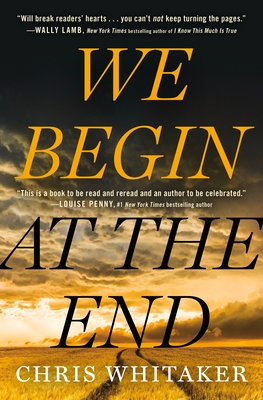
Overwhelmed as we are just now by atrocities and deaths, this novel invites us to take a moment to look at a single death and how it still affects a small town thirty years later. Walk, short for his surname Walker, is the chief of the two-person police force in Cape Haven, California. He’s a cautious, introspective man, still haunted by having testified against his best friend Vincent all those years ago. Now that Vincent is being released from prison, Walk nurtures a dream of restoring their idyllic past.
The other narrator is thirteen-year-old Duchess Day Radley, a self-proclaimed “outlaw” and fierce protector of her little brother Robin and her mother Star, who happens to be Sissy’s older sister. Duchess knows there are plenty of humiliating rumors about her family circulating in the small town, not just about the crime, but also about Star’s addiction and her job waiting tables and singing at a dive bar. Star usually has to bring the children with her and leave them in a booth where Duchess keeps an eye on the men who get loud and handsy after a few drinks and on the bar’s huge and dangerous owner Dickie Darke who might be Star’s protector or her abuser.
A sense of precarity underlies everything in Cape Haven. Houses are falling into the sea. People get beaten or killed. One misunderstanding and everything changes. Even the cadence of the sentences is unsettling at first. The characters struggle keep to keep their footing in an uncertain world. Because Star is a good friend from the old days, Walk watches out for her and the children, but Duchess doesn’t trust him. She doesn’t trust anyone but herself.
Whitaker’s portrait of Duchess is brilliant. She’s not sassy or precocious. She’s angry and smart and fierce and loyal. I knew many thirteen-year-olds when I was teaching in Baltimore’s public schools, and I recognise Duchess. She’s the real thing. So is Walk: someone who is always looking back at the past, someone who wants to do the right thing but isn’t always sure what that is.
While categorised as a thriller, this novel is more a quiet study of grief and danger and pain and tenderness. It unfolds the way real life does, tumultuous at times certainly, but not always. It asks how to go on after the worst happens, how to live with grief, and how to measure what we owe each other.
This book surprised me. Everything about it is so much better than I expected. I kept thinking it couldn’t get better and then it did. Whitaker manages to summon strong emotions without overwriting. He deploys plot pivots that surprised me in the best of ways: by seeming perfect in retrospect. Same with the characters. There is a moral arc here, but not the one I expected. There are no easy answers for these damaged people, for us, or for our damaged world.
Can you recommend a novel that surprised you?